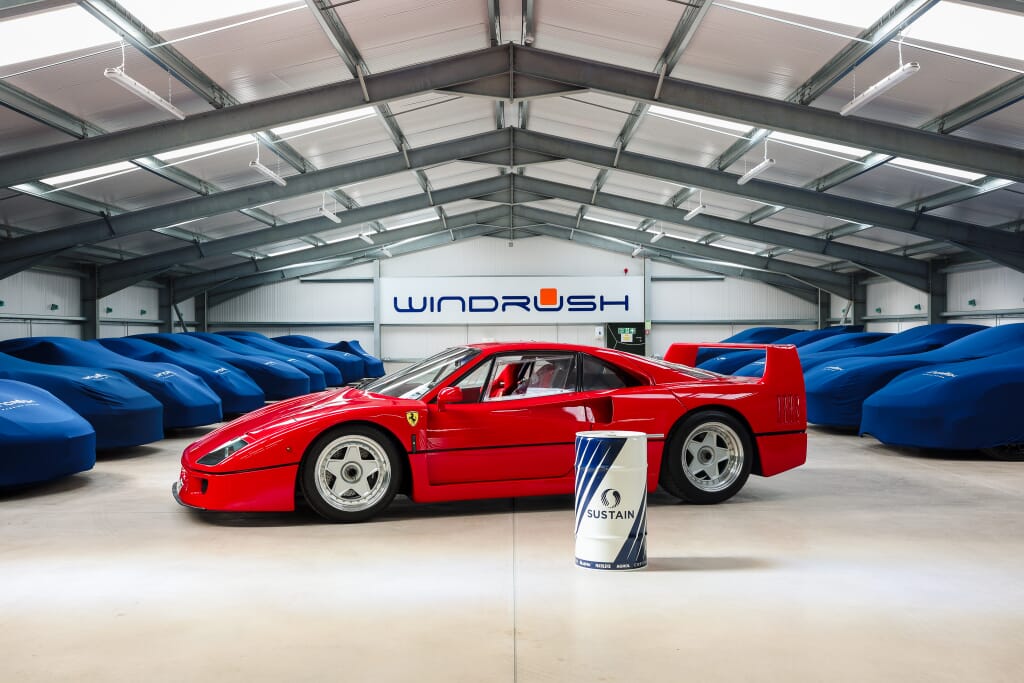
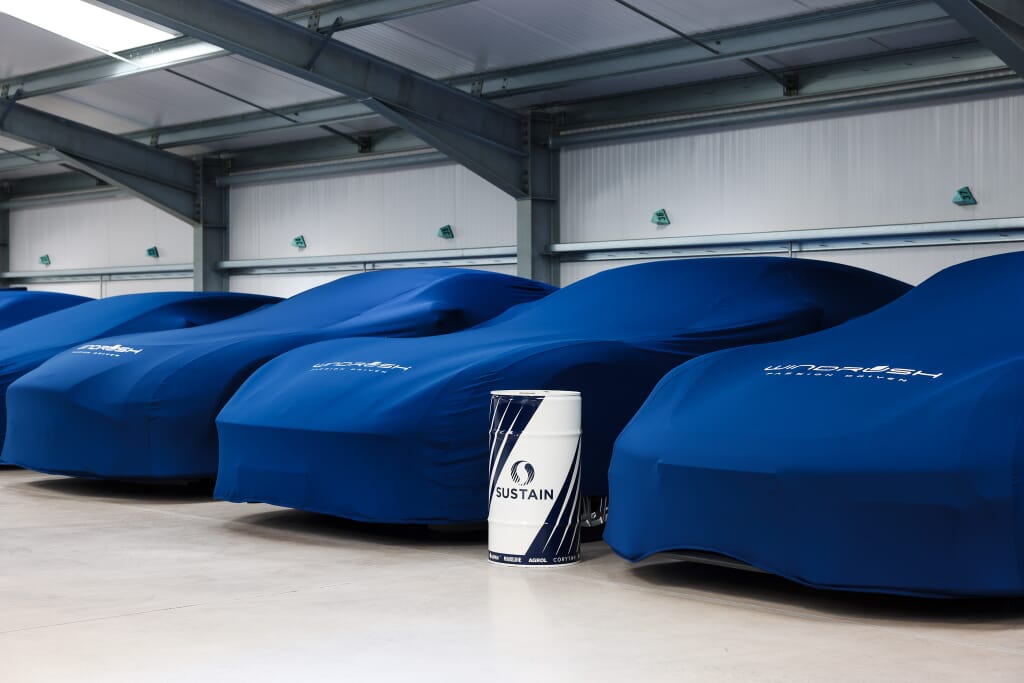
When preparing a vehicle for storage, most owners focus on battery maintenance, tyre care, and protective covers. Yet one of the most consequential decisions often receives far less attention: the fuel sitting in your tank. Understanding why fuel choice matters for stored vehicles—and having octane ratings explained clearly—can mean the difference between a car that fires up perfectly after months in storage and one that requires costly fuel system repairs.
Octane Ratings Explained

The octane rating measures a fuel’s resistance to premature ignition, commonly known as “knock” or “ping.” When fuel ignites before the spark plug fires, it creates pressure waves that can damage pistons, cylinder walls, and other engine components.
In the UK, octane is measured using the Research Octane Number (RON). Standard unleaded petrol carries a 95 RON rating, super unleaded typically falls between 97 and 98 RON, and premium offerings like Shell V-Power reach 99 RON—the highest widely available in Britain.
For comparison, American fuel pumps display the Anti-Knock Index (AKI), which averages two different testing methods and produces lower numbers. A fuel marked as 91 AKI in the United States is roughly equivalent to 95 RON in the UK.
Why Octane Matters More in Storage

While your engine’s requirements determine the minimum octane needed during normal driving, storage introduces additional considerations. Higher octane fuels offer several advantages when vehicles sit idle for extended periods.
Slower Degradation
All petrol degrades over time, but the rate varies significantly by grade. Standard 95 RON fuel can begin deteriorating within three months, whereas higher-octane fuels—being more refined and containing more stable hydrocarbon chains—typically maintain their properties for up to nine months under proper storage conditions.
This degradation manifests in multiple ways: the fuel’s octane rating drops, volatile compounds evaporate, and the remaining liquid becomes prone to forming gum and varnish deposits. These deposits can clog injectors, foul carburettors in classic vehicles, and leave residue throughout the fuel system.
Enhanced Protection
Premium fuels often include detergent packages designed to clean and protect fuel system components. During storage, these additives help prevent the corrosion and deposit formation that occur when fuel sits stagnant against metal surfaces.
The E10 Ethanol Question
Since September 2021, E10 has been the standard petrol grade across the UK, containing up to 10% bioethanol. While this benefits the environment by reducing carbon emissions, it presents specific challenges for stored vehicles.
Ethanol is hygroscopic—it absorbs moisture from the surrounding air. When E10 sits in a tank for extended periods, particularly in vehicles that aren’t airtight, this absorbed water can separate from the fuel and settle at the bottom of the tank. The resulting water-ethanol mixture is corrosive and can cause significant damage to fuel tanks, lines, and carburettor components.
For vehicles in long-term storage, particularly classics and those with metal fuel tanks, E5 fuels (containing only 5% ethanol) remain available as super unleaded options and offer better stability.
Matching Fuel to Your Vehicle
Classic Cars
Older vehicles present particular challenges. Many pre-2011 models aren’t compatible with E10 fuel, and vehicles from before the 1990s may have fuel system components—rubber seals, gaskets, and diaphragms—that ethanol degrades over time. For these vehicles, seeking out E5 or ethanol-free alternatives isn’t merely preference; it’s essential preservation.
Additionally, many classics were designed for leaded fuel and may benefit from lead replacement additives, though octane requirements vary considerably by engine specification.
Modern Supercars and Performance Vehicles
High-compression engines found in vehicles like Ferraris, Porsches, and modern turbocharged performance cars are typically engineered for premium fuel. While knock sensors in contemporary vehicles can adjust timing to accommodate lower octane fuel during normal driving, this protection doesn’t extend to the fuel degradation issues that arise in storage. Always use the manufacturer’s recommended grade, and consider moving to an even higher octane for extended storage periods.
Electric Vehicles and Hybrids
While EVs obviously don’t require petrol, plug-in hybrids that may sit with unused fuel present similar considerations to traditional vehicles. The petrol engine in a hybrid that’s primarily driven on electric power can go months between fuel use, making fuel quality particularly important.
SUSTAIN: A Purpose-Built Solution
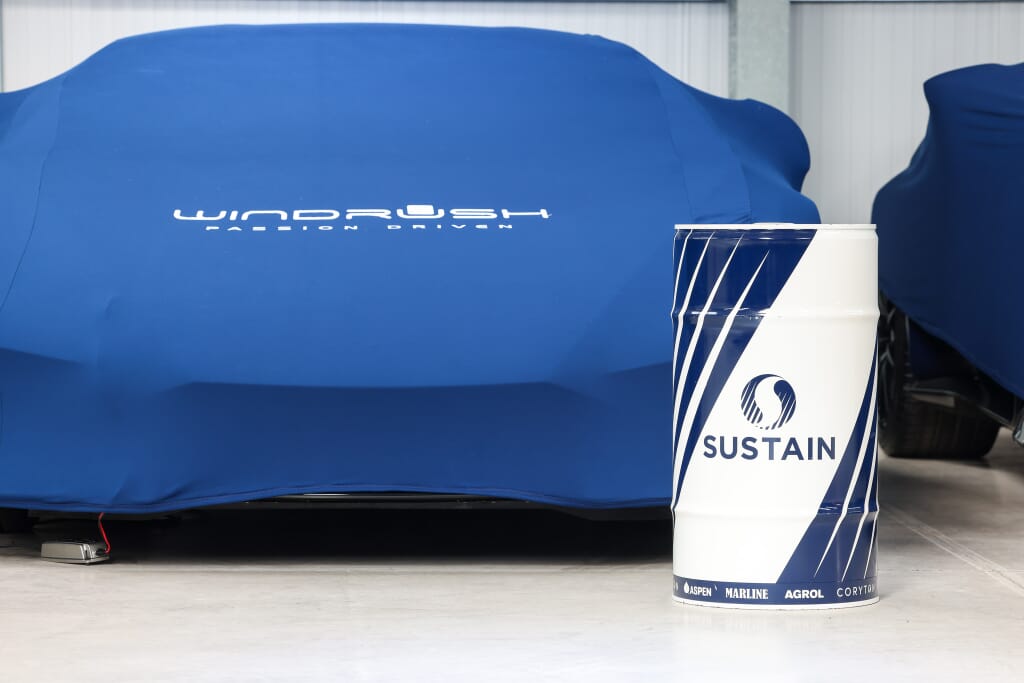
Recognising these challenges, Windrush Car Storage announced a partnership last year with SUSTAIN to offer premium sustainable fuels specifically formulated for vehicle storage. This collaboration marks a first for the UK storage sector.
SUSTAIN Classic fuels are technically tailored for stored and classic vehicles, featuring an octane rating above 98 RON with less than 1% bioethanol content. Crucially, they include a premium additive package designed to stabilise fuel for extended periods, eliminate the need for separate stabiliser products, protect against corrosion, and maintain optimal engine condition throughout storage.
Unlike conventional fuels that may require stabiliser additives for long-term storage, SUSTAIN Classic fuels come with this protection built in. When combined with Windrush’s protocols for topping up fuel tanks—which prevents moisture accumulation—vehicles emerge from storage with fuel systems in pristine condition.
Beyond the practical benefits, SUSTAIN fuels offer significant environmental advantages. By using second-generation biofuel components manufactured from agricultural waste, they provide greenhouse gas savings while maintaining the authentic character and performance characteristics that owners expect.
Practical Recommendations for Storage Fuel

Before Storage
Fill the tank to approximately 95% capacity with an appropriate high-octane fuel, low or Zero ethanol fuel. A full tank minimises the air space where condensation can form, while leaving slight room prevents expansion issues in varying temperatures.
If using conventional fuel for shorter storage periods, consider adding a quality fuel stabiliser. For extended storage, SUSTAIN Classic fuels eliminate this step while providing superior protection.
During Storage
Windrush’s storage protocols include regular vehicle starting and run up to full operating temperature avoiding too many cold stop-starts to circulate fuel through the system and prevent components from drying out. Our climate-controlled facilities also help maintain consistent temperatures, reducing the thermal cycling that accelerates fuel degradation.
Before Driving
Vehicles emerging from long-term storage with old fuel may benefit from fresh fuel to dilute any degraded petrol. For vehicles stored with SUSTAIN fuels or properly stabilised fuel, simply check that the fuel cap seal is intact and you’re ready to enjoy the road.
Looking Ahead
The fuel landscape continues to evolve. With increasing emphasis on sustainable solutions and potential future restrictions on traditional petrol, having access to high-quality, storage-appropriate fuel becomes increasingly valuable.
Our partnership with SUSTAIN represents Windrush’s commitment to forward-thinking solutions that serve both our clients’ immediate needs and their vehicles’ long-term preservation. Rather than waiting for potential restrictions, we’re proactively offering solutions that ensure clients can continue enjoying their vehicles responsibly for decades to come.
Whether you’re storing a cherished classic, a modern supercar, or a vehicle while travelling abroad, understanding fuel requirements—and having access to purpose-built solutions—is essential to maintaining your vehicle’s condition and value.