
If you’re comparing EV storage London options, the first thing worth knowing is that an electric car needs slightly different care from a petrol or diesel one while it’s off the road, and that a climate-controlled environment is only one part of getting it right. Knowing how to store an electric car properly means thinking about battery charge, temperature, tyres and the vehicle’s low-voltage electrical systems, as well as the usual requirements of secure, dry storage.
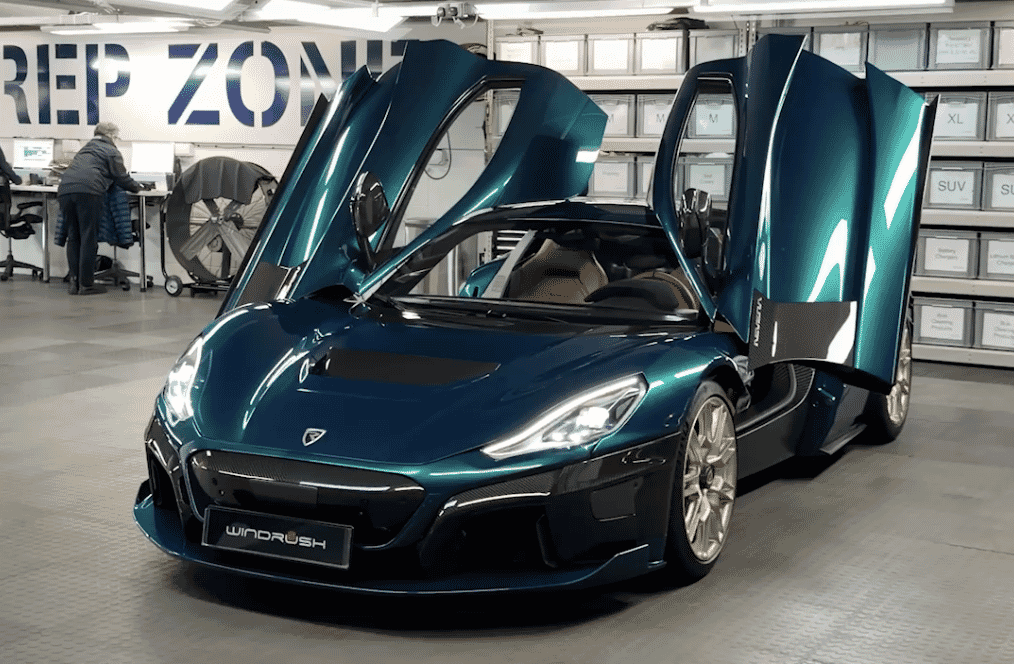
Electric cars are becoming an increasingly familiar sight at Windrush alongside classics, sports cars and supercars. We see everything from Renault 5s used as a daily driver to Teslas and Porsches, right up to exotica like the Rimac Nevera – and the principle is much the same for all of them: look after a car properly between drives and it should be ready to use when you want it. With an EV, some of that care simply looks a little different, though the fundamentals below apply whichever badge is on the bonnet.
In short: an EV should be stored in a secure, controlled environment, with its traction battery maintained according to the manufacturer’s recommendations, its low-voltage battery monitored, its tyres correctly inflated and the vehicle checked regularly while it is off the road.
Does an electric car need different storage from a petrol or diesel car?
In some ways, yes.
A petrol or diesel car stored for a long period brings questions around fuel, the starter battery, tyres, fluids and corrosion. An electric car removes some of those concerns but introduces others.
Most importantly, an EV normally has two different battery systems: the large high-voltage traction battery that powers the car, and a much smaller low-voltage battery that powers many of its electrical systems.
These need to be treated differently. The traction battery has its own charging and long-term storage requirements, while the smaller battery can still lose charge while a car is standing.
Tyre pressures, brakes, paintwork, fluids and the general storage environment remain important whichever type of car you own.
What charge level should an EV have during long-term storage?
There is no single percentage that is right for every electric car.
As a general principle, lithium-ion batteries are best not left for prolonged periods at either an extremely high or extremely low state of charge. However, the recommended level – and whether the car should remain connected to a charger – varies between manufacturers and models.
For that reason, the correct approach to long-term EV storage is to follow the manufacturer’s guidance for the individual vehicle rather than applying the same charging routine to every car.
For many EVs, that means starting storage with the traction battery somewhere around the middle of its usable range and periodically checking its state of charge. Some manufacturers also recommend keeping the vehicle connected to a suitable charger with a charging limit set.
How often should an electric car be checked while in storage?

Again, this depends on the vehicle and how long it will be stored.
The important thing is that an electric car shouldn’t simply be parked and forgotten. Its state of charge, low-voltage battery, tyre pressures and general condition should all be monitored during a longer stay.
This is one of the advantages of professional car storage. Regular inspections make it possible to identify a falling battery level, change in tyre pressure or another problem before it becomes something the owner has to deal with when they next want the car.
Does climate-controlled storage help an electric car?

A controlled indoor environment is valuable for the whole vehicle, not just its battery.
Lithium-ion batteries can be affected by prolonged exposure to temperature extremes, particularly excessive heat, and this exposure is one of the main contributors to long-term battery degradation. Keeping an EV indoors also protects its paintwork, tyres, seals, braking components and electronics from the changing conditions it would experience outside.
Humidity matters too. A stable, dehumidified storage environment helps protect the complete vehicle while it is out of use and removes one of the variables that can be difficult to control in a domestic garage or outbuilding.
Should you leave an electric car plugged in during storage?
It depends on the car.
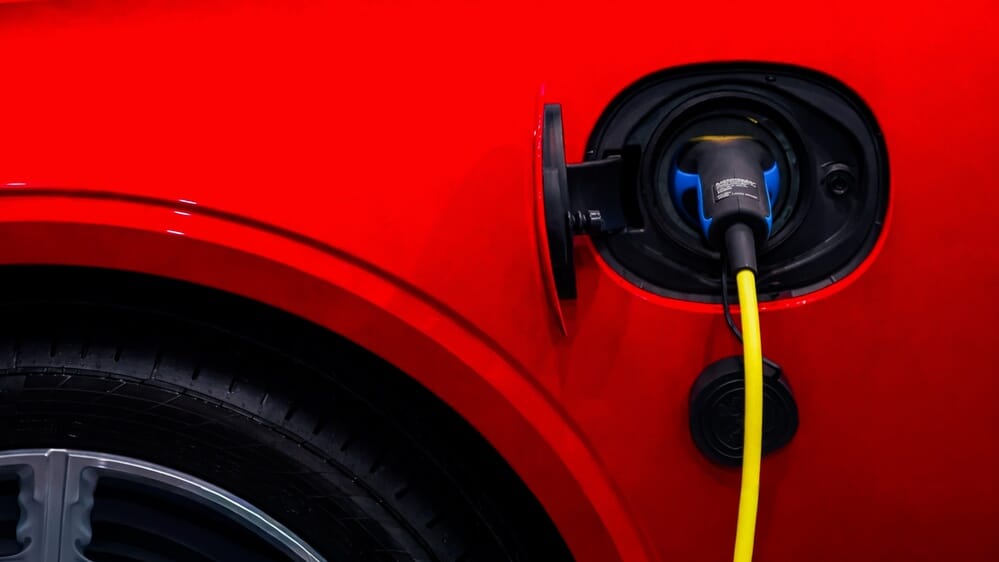
Some manufacturers recommend keeping an EV connected to a charger during extended periods of storage, with an appropriate maximum charge level set. Others give different instructions.
This is why EV storage needs to be managed according to the manufacturer’s recommendations rather than following a one-size-fits-all rule.
It is also important to distinguish charging the high-voltage traction battery from maintaining the car’s separate low-voltage battery. Both matter when an EV is standing for an extended period, but they require different approaches.
What about tyres and brakes?

Many EVs are relatively heavy because of their battery packs, making correct tyre pressures particularly important when they are standing for longer periods.
Tyres should be checked before and during storage, both for pressure and condition.
Regenerative braking can also mean that an EV’s conventional friction brakes are used less frequently during everyday driving. After a long period off the road, their condition should therefore be considered as part of preparing the vehicle for its next drive.
The more traditional storage fundamentals still apply too: the car should be clean before storage, fluids and coolant should be checked where relevant, and the bodywork and interior should be protected from moisture, dirt and unnecessary deterioration.
Is EV storage in London different from storage in the Cotswolds?
The car itself doesn’t know which postcode it’s in, but the practicalities can be quite different. For London-based owners, professional EV storage may solve the problem of limited garage space, provide a stable climate-controlled environment and make it easier to leave a car securely looked after during regular trips away.
In the Cotswolds, the reasons for storing an EV may be different. A car might be used seasonally, kept as part of a wider collection or simply driven less frequently. Even where more space is available at home, a domestic garage or outbuilding may not offer the same controlled environment or ongoing vehicle checks as a dedicated storage facility.
In either location, the principle is the same: the car is stored in the right conditions, its condition and charge level are monitored, and it can be prepared for use when required.
What should you look for when choosing electric car storage?

Good EV storage should go beyond providing a secure parking space.
Look for a controlled indoor environment, regular vehicle inspections, appropriate management of both the traction and low-voltage batteries, tyre pressure monitoring and a team that understands that different manufacturers have different long-term storage requirements.
Most importantly, the car should be looked after throughout its stay rather than simply checked when it arrives and when it leaves.
At Windrush, electric cars are now a regular part of the vehicles entrusted to our care. The technology may be different, but our approach remains the same: understand exactly what each car requires, check it properly and have it ready for its owner whenever it is needed.
If you’re considering electric car storage with Windrush, our team can talk you through the best approach for your particular EV, how long you plan to store it and how often you expect to use it.